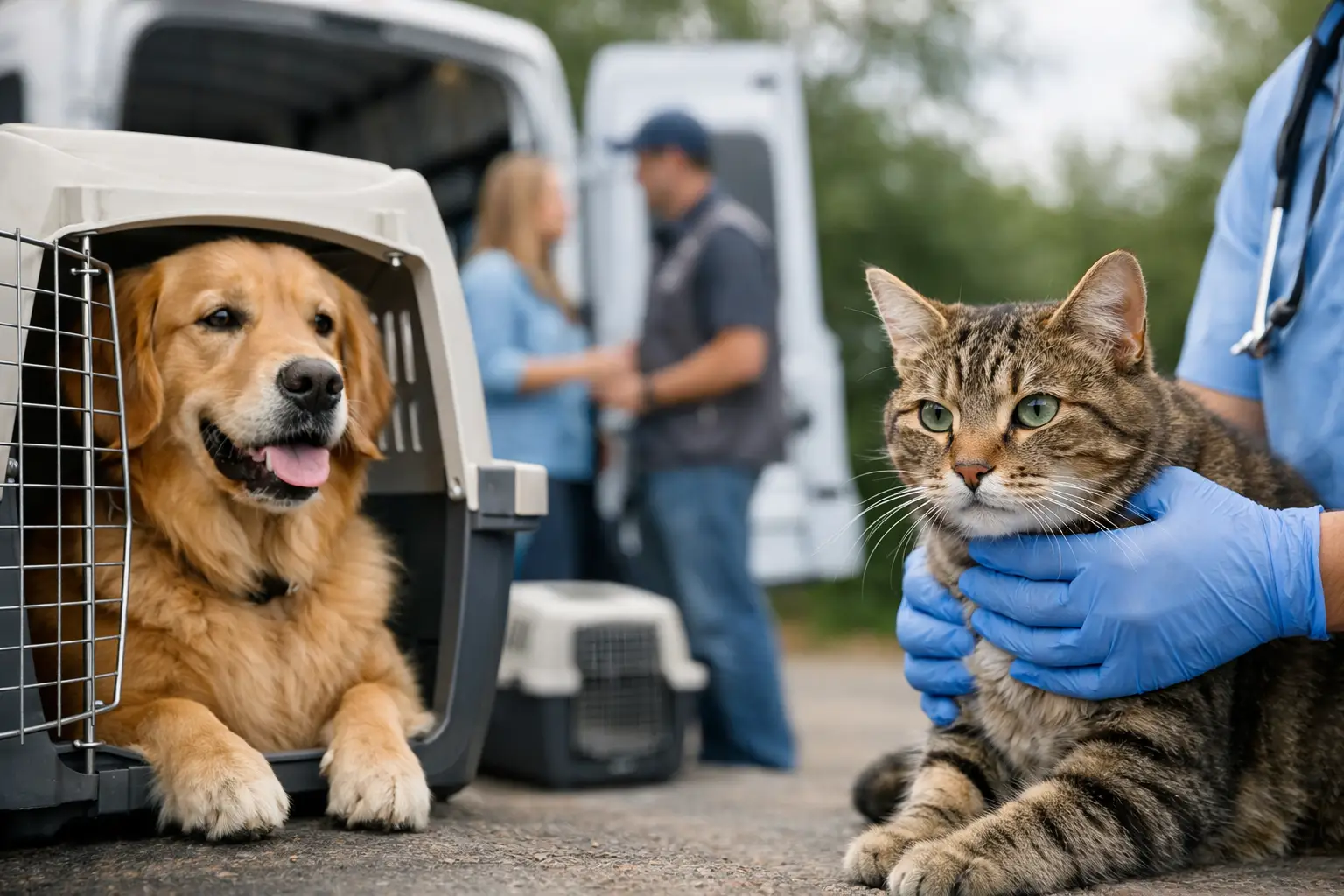
Animal Relocation With Care and Peace of Mind
A cross-country move can turn a familiar household routine upside down, especially for the animal companion who cannot understand why the boxes are stacked, the car is packed, or their favorite chair has disappeared. Animal relocation is not simply getting a pet from one address to another. It is a care plan built around temperament, health, comfort, timing, and the kind of communication that lets pet parents breathe easier while their furry family member is away. Your input and assistance is vital during this process and your pet is counting on you not to let them down.
For a new puppy traveling from a breeder, a cat joining a family after a job transfer, or an exotic pet with specialized requirements, the right travel arrangement can make a meaningful difference. The goal is not just arrival. It is a safe, calm, well-supported journey from the first handoff to the final reunion.
What Thoughtful Animal Relocation Really Requires
Distance is only one part of the decision. A 300-mile trip may be more demanding than a longer route if an animal is very young, medically sensitive, anxious around strangers, or accustomed to a particular feeding and rest schedule. Weather, pickup and delivery access, travel regulations, airline restrictions, and the needs of other pets in the household can all shape the best plan. Pets have time and patience limits and working with them and accommodating them as best as possible is important.
This is why a concierge approach begins with questions rather than a generic quote. Is your pet comfortable in a carrier? Do they need medication, a special diet, regular potty breaks, or a quieter environment? Is the date flexible, or does a home closing, work assignment, breeder release date, or military move create a firm deadline? Clear answers allow a transport plan to be designed around the animal, not forced around an available route.
Professional oversight matters here. Pet parents should look for a USDA-Registered Transporter when required, appropriate insurance coverage, clear care standards, and staff who understand how to recognize signs of stress or discomfort. A premium experience should feel personal, but it should also be operationally prepared. Clear communication between all parties is necessary and required to ensure that the route covered will be a success.
Choosing the Right Way to Travel
There is no single best form of pet transport. The right choice depends on your pet’s needs, the distance involved, your timeline, and how much individual attention the journey calls for.
Shared Ground Transport
Ground travel can be a comforting option for dogs and cats who do better with a gradual journey and regular breaks. A properly equipped, climate-controlled vehicle avoids the noise and handling transitions associated with airport travel. Pets can receive scheduled potty opportunities, fresh water, meals according to their routine, and caring attention throughout the route.
Shared ground transport is often a sensible choice for flexible schedules and families seeking a cost-conscious alternative to exclusive service. The trade-off is that the route may include other carefully planned pickups or deliveries. Even with thoughtful routing, timing is typically less exact than a private trip. For many pets, that is perfectly appropriate. For others, especially animals that need direct travel or close monitoring, a more individualized option may be better.
In-Cabin Flight Nanny Service
For longer distances or time-sensitive reunifications, accompanied commercial air travel can reduce the total travel time dramatically. An in-cabin flight nanny travels alongside the pet, rather than placing them in cargo, and manages the journey from airport check-in through the handoff at the destination.
This option is particularly valuable for young puppies and kittens, smaller pets that meet airline in-cabin requirements, and families who want their new companion home quickly. It does, however, depend on airline rules, carrier dimensions, flight schedules, weather conditions, and the pet’s ability to travel comfortably in an approved carrier. A responsible coordinator will explain these limitations openly rather than promising a flight before the details are confirmed. Most Major Airlines have a capacity limit for pets traveling on each flight.
VIP Solo Transport
Some journeys call for complete privacy, direct routing, and one-on-one attention. VIP Solo Pet Transportation is designed for pet parents who need an exclusive vehicle and a travel plan centered on one animal or one family group. This can be an excellent fit for anxious pets, senior animals, animals with medical or behavioral considerations, high-value breeding arrangements, or clients whose schedule cannot accommodate shared-route timing.
The premium reflects the dedicated resources involved, but the value is also emotional: your companion receives individualized care from departure through arrival, without additional passenger stops. When predictability and privacy are priorities, exclusive pet transportation can offer a level of reassurance that shared travel cannot always provide.
Preparing Your Pet Before Departure
The best travel day begins well before pickup. Sudden changes in food, medication, crate type, or routine can create unnecessary stress. If your pet will travel in a carrier, give them time to become comfortable with it at home. Leave it open with familiar bedding, a favorite toy when appropriate, and occasional treats so it becomes a safe space rather than a surprise.
A veterinary checkup may be wise, particularly for young, senior, or medically complex animals. Depending on the route and method of travel, health certificates, vaccination records, or other documentation may be required. Discuss any prescribed medication with your veterinarian and your transport coordinator. Sedation is not automatically the answer for an anxious pet and can carry risks during travel, so it should never be approached casually.
Before departure, organize the essentials your pet’s caregiver will need:
- Current veterinary and vaccination records, plus emergency contact details - phone and email information
- Clearly labeled food, treats, medications, and feeding instructions
- A secure collar or harness with up-to-date identification tags
- Familiar bedding or an appropriately sized comfort item, if safe for travel
A concise care sheet can be just as valuable as the supplies themselves. Include your pet’s routine, preferred name, sensitivities, bathroom habits, and anything that helps them settle. Small details, such as whether a dog prefers a few quiet minutes before a walk or whether a cat only eats from a particular dish, are part of attentive care.
Visibility Is Part of Peace of Mind
Pet parents should not have to wonder where their animal companion is or whether everything is going according to plan. Real-time GPS visibility, such as Life360 GPS Tracking, provides a clearer view of the route and reduces the uncertainty that often makes long-distance separation difficult.
Technology is helpful, but it is not a substitute for human communication. Timely updates about meals, potty breaks, rest periods, flight progress, and anticipated arrival give families confidence that their pet is being seen as an individual. If a route changes due to weather, traffic, or an airline delay, prompt and honest communication matters even more.
At Puppies Breath Pet Concierge, that combination of GPS App Tracking, structured updates, climate-controlled transportation, insurance coverage, and veterinary technician-approved care practices is central to the experience. It allows clients to stay connected without having to manage every moving part themselves.
Questions Worth Asking a Pet Transport Provider
Before booking, ask how the provider handles temperature control, overnight care, sanitation, emergencies, and schedule changes. Ask whether the person traveling with your pet is trained to identify distress and what happens if a pet needs veterinary attention on the road. Request clarity on insurance, registration, pickup windows, cancellation terms, and how updates will be delivered.
The answers should be specific and calm, not vague or overly sales-driven. A trustworthy provider will also be willing to say when a requested travel method is not the right fit. For example, a large dog may not qualify for in-cabin air travel, a young puppy may need a carefully timed pickup, or an animal with significant health concerns may require veterinary guidance before any journey is arranged.
Price deserves a practical conversation as well. The lowest quote may leave out insurance, direct communication, climate control, individual handling, or reliable scheduling. Higher-cost service is not automatically better, but a transparent quote should explain what level of care, monitoring, and exclusivity you are receiving. Your pet’s journey should never be a mystery hidden behind a single number.
Helping Your Pet Settle After Arrival
Arrival day is a transition, not the finish line. Keep the first hours quiet and predictable. Offer water, a familiar meal if it is time to eat, a bathroom break, and a comfortable place to rest. Avoid introducing a newly transported pet to a busy gathering, dog park, or a parade of visitors right away.
For a relocated family pet, unpacking familiar bedding, toys, and feeding items early can help create a sense of continuity. For a puppy or kitten arriving from a breeder, gentle handling and a calm routine give them room to adjust to new voices, scents, and surroundings. Watch for prolonged appetite changes, vomiting, diarrhea, unusual lethargy, or signs of distress, and contact your veterinarian if concerns arise.
A carefully planned journey gives your pet more than transportation. It gives them a gentler bridge between one chapter of home and the next, with people who understand that every safe arrival is a family reunion worth protecting.
Planning an interstate or long-distance move for your pet?
At Puppies Breath Pet Concierge, we build each relocation around your animal companion's specific needs, with USDA-registered transport, climate-controlled accommodations, real-time Life360 GPS visibility, and attentive handling from door to door.
Get a Free QuoteMore Articles You Might Like
Corporate Pet Relocation That Puts Pets First
September 6, 2026
A job offer can come with a start date and moving allowance, but how will your pet travel safely? Corporate pet relocation turns that uncertainty into a thoughtfully managed care plan so pets are never treated as an afterthought.
Read More »
Pet Travel Options for Safe, Caring Journeys
September 5, 2026
A cross-country move can be stressful enough before you consider the four-legged family member watching suitcases pile up. Explore the right pet travel options — shared ground, in-cabin flight nanny, and VIP solo transport — to protect comfort, health, and peace of mind.
Read More »