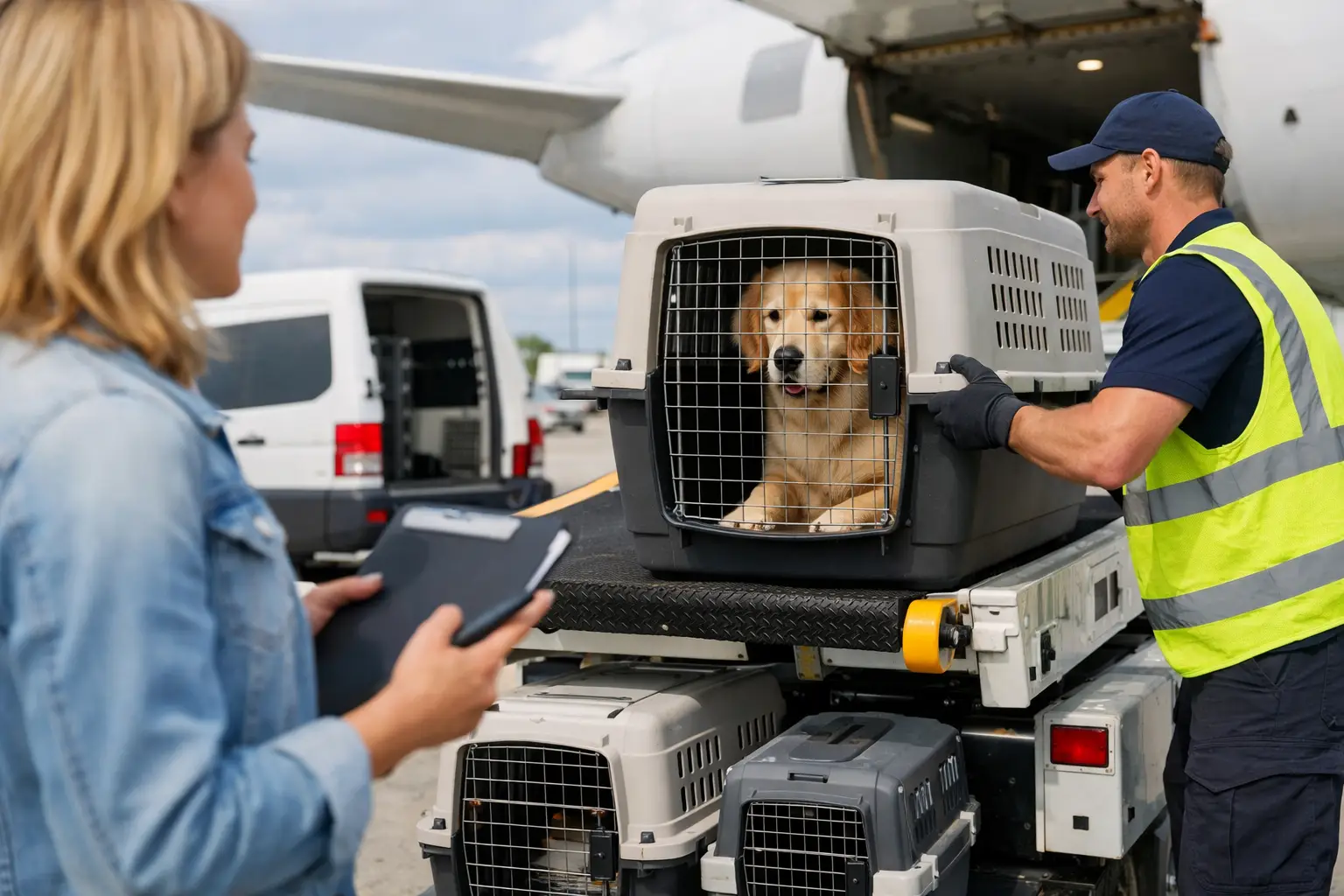
What to Expect From the Animal Transport Booking Process
A pet’s travel day should never begin with a rushed handoff and unanswered questions. The animal transport booking process should give you a clear picture of who is caring for your companion, how they will travel, what they need along the way, and how you will stay informed until they are safely home. Avoiding stressful and anxious situations along the route is and should not only be necessary, but also something to seriously consider in order to make your pet's trip a successful journey!
For a new puppy traveling from a breeder, a cat joining a family after a move, or an animal companion relocating with a traveling professional, the details matter. A thoughtful booking process turns a long-distance journey into a carefully planned care experience rather than an uncertain logistics task.
The Animal Transport Booking Process Starts With a Real Conversation
A quality transport arrangement begins with consultation, not an instant quote pulled from a generic form. Your provider should ask about your pet’s species, breed, age, size, temperament, health history, feeding schedule, medication needs, and prior travel experience. These details help determine what type of trip will best support your pet’s comfort and safety. Being fully honest with the USDA Registered Pet Transporter is key to making the entire route beneficial for all involved, especially your pet who also has feelings, may be quite sensitive and also has needs that must be addressed for comfort and to ensure that the pet is respected and treated with dignity.
The route matters, too. Pickup and delivery addresses, desired dates, flexibility, weather patterns, and the length of the journey all affect planning. A young puppy headed home from a breeder may need a different schedule than an adult dog moving across several states. Cats often benefit from particularly quiet handling and familiar feeding routines, while exotic pets can require specialized environmental considerations.
This is also the right time to share anything that may make travel more sensitive. Separation anxiety, motion sickness, mobility limitations, dietary restrictions, or a history of reactivity are not inconveniences. They are care details that allow the pet transport team to prepare responsibly.
Choosing the Right Travel Arrangement
The best transportation option depends on your companion’s needs, your timeline, and the level of privacy you prefer. Price matters, but it should not be the only deciding factor when a living family member is traveling a meaningful distance.
Shared Ground Transport
Shared ground transport can be a wonderful choice for many dogs and cats. With a USDA Registered Transporter, climate-controlled travel, planned rest breaks, and attentive handling, ground service allows pets to move at a more natural pace. It may take longer than flying, particularly on cross-country routes, but it avoids the added transitions of airport travel and can be especially suitable for pets that do better with regular breaks.
In-Cabin Flight Nanny Service
An in-cabin flight nanny service may be the better fit when timing is tight or a pet needs to reach a distant destination quickly. In this arrangement, your companion travels in the cabin with a dedicated escort rather than being handled as cargo. Airline rules, carrier dimensions, pet size, breed, and flight availability can shape what is possible, so early planning is helpful.
VIP Solo Transport
VIP Solo Transport offers private, direct travel for families seeking one-on-one care and an itinerary built entirely around their pet. It is often preferred for very young animals, pets with special needs, time-sensitive moves, or clients who want exclusive handling from pickup through delivery. The investment is higher than shared travel, but the route, schedule, and level of individual attention are different by design.
At Puppies Breath Pet Concierge, the recommendation should always follow the pet, not a one-size-fits-all itinerary. A calm senior dog may thrive with direct private travel, while a healthy, social adult dog may be perfectly comfortable in a carefully managed shared ground journey.
Confirming Health Records and Travel Requirements
Once a travel approach is selected, documentation becomes part of the planning. Requirements vary based on the departure point, destination, species, method of travel, and any applicable airline or state rules. A reputable provider will explain what records may be needed and when they should be obtained.
A current rabies certificate, health certificate, vaccination information, and veterinary records are commonly requested for domestic pet travel. Yet no responsible USDA Registered Pet Transporter should promise that one document list fits every journey. Some destinations have more specific entry rules, and airline requirements can differ from ground transport standards. International travel calls for additional lead time and may involve import permits, microchip requirements, laboratory testing, vaccinations or country-specific veterinary endorsements.
Your veterinarian is an essential partner in this stage. Schedule any needed appointment early enough to meet the required timing window, especially if your pet has a medical condition or has not traveled before. Be candid and thorough about medication as well. Sedation is not automatically appropriate for travel and should only be considered under veterinary guidance.
Building a Comfort-Focused Travel Plan
After records and service details are confirmed, the itinerary is shaped around your pet’s daily needs. This is where concierge care becomes visible in the small but meaningful choices: feeding timing, approved treats, potty breaks, exercise needs, medication instructions, preferred harnesses, and familiar comfort items.
Provide precise written instructions for anything you would not want left to assumption. Include the exact food brand and portion, medication name and dosage, allergies, behavior cues, veterinary contact information, and an emergency contact who can make decisions if you are temporarily unavailable. If your pet uses a particular phrase for a potty break or settles best with a specific blanket, you should say so.
For ground transport, ask how often stops are planned and how pets are secured between breaks. Climate control is especially important during temperature extremes, but comfort is not only about the thermostat. Clean accommodations, proper ventilation, appropriate crate sizing, and calm handling all influence how an animal experiences the road.
For in-cabin air travel, confirm the approved carrier requirements and practice before departure if possible. A pet who has had short, positive experiences in their carrier is often better prepared than one encountering it for the first time on travel day.
What Happens Before Pickup
The days before departure should feel organized, not frantic. You will typically receive pickup guidance, a service agreement, payment details, and instructions about what to send with your pet. Keep belongings practical. A secure collar or harness with identification, necessary records, food for the journey, medication, and one familiar soft item are often more helpful than a large collection of toys.
Avoid major routine changes immediately before travel. Maintain normal walks, meals, and rest as much as possible. On pickup day, allow extra time so the handoff is calm. A good team will verify your pet’s identity, review instructions, inspect the travel setup, and answer final questions before beginning the journey.
If you are coordinating breeder pickup or a reunion from another state, make sure the pickup and receiving parties know exactly who is authorized to release and receive the pet. Clear names, phone numbers, and timing expectations prevent avoidable delays.
Staying Connected During the Journey
Communication is one of the most reassuring parts of premium pet transport. You should know how updates will be delivered and what information they will include before your companion departs. For many families, live Life360 GPS App Tracking provides welcome visibility into the route, while direct messages and check-ins offer a more personal sense of how the pet is doing.
Updates should be meaningful rather than excessive. Knowing that your dog has eaten, had a comfortable break, settled well, or is approaching the next stop gives you confidence without requiring you to manage the trip from afar. Around-the-clock support is particularly valuable when weather, traffic, flight schedules, or an animal’s needs require an adjustment.
Travel plans sometimes change. The difference is how those changes are handled. A protective transport provider communicates promptly, explains the reason for the adjustment, and keeps your pet’s welfare ahead of a rigid schedule.
Delivery Is a Careful Handoff, Not Just an Arrival
At delivery, the USDA Registered Pet Transportation Professional should confirm the receiving party’s identity and make sure the pet is safely transferred. Give your companion a quiet chance to stretch, drink water, and reconnect before introducing a busy household, other pets, or visitors. Even a smooth journey can be stimulating.
For the first evening, keep expectations gentle. Offer the familiar food your pet has been eating, preserve routine where possible, and watch for signs that they need rest. Most pets settle quickly when greeted by calm voices, familiar scents, and patient care.
The right animal transport booking process does more than reserve a seat or map a route. It creates a circle of care around your furry family member, so every mile is planned with the same attention you would give them yourself.
Ready to start your pet's transport booking?
At Puppies Breath Pet Concierge, we guide you through every step of the journey with USDA-registered transport, climate-controlled vehicles, real-time Life360 GPS tracking, and attentive, compassionate care.
Get a Free QuoteMore Articles You Might Like
Corporate Pet Relocation That Puts Pets First
September 6, 2026
A job offer can come with a start date and moving allowance, but how will your pet travel safely? Corporate pet relocation turns that uncertainty into a thoughtfully managed care plan so pets are never treated as an afterthought.
Read More »
Pet Travel Options for Safe, Caring Journeys
September 5, 2026
A cross-country move can be stressful enough before you consider the four-legged family member watching suitcases pile up. Explore the right pet travel options — shared ground, in-cabin flight nanny, and VIP solo transport — to protect comfort, health, and peace of mind.
Read More »