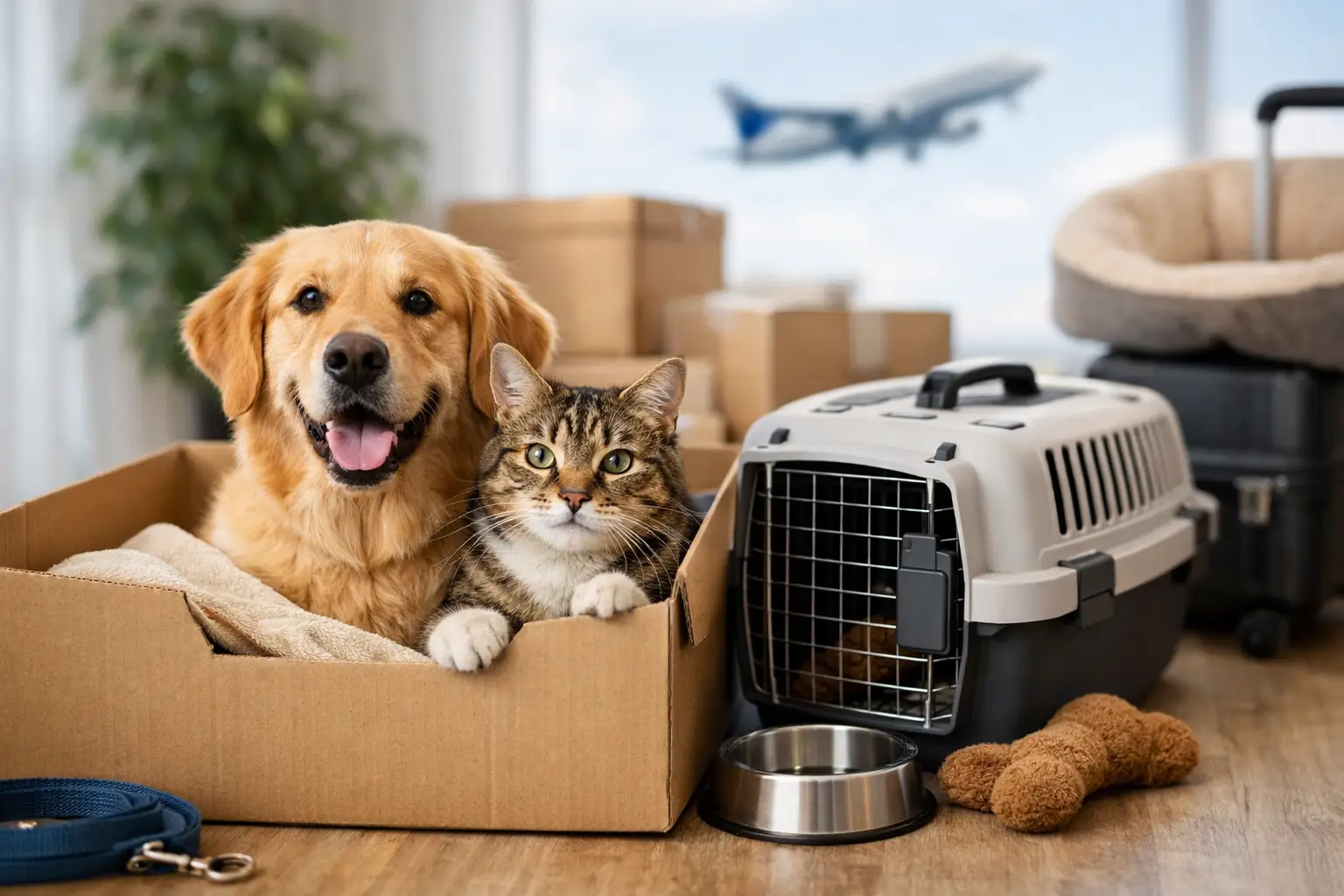
How to Plan a Pet Move Without Compromising Care
A move can be exciting right up until you look at your animal companion’s bed, feeding routine, medication, and familiar evening walk. Then the question becomes more personal: how will they get there comfortably? To plan a pet move well, begin with your pet’s needs rather than the route on a map. The right travel plan protects their health, preserves as much routine as possible, and gives you clear visibility from departure through arrival. Due to your love, affection and care for your pet, this is and should be a very important priority aspect of the USDA Registered, Insured and Vetted Pet Transportation process.
Whether you are relocating a family home, welcoming a puppy from a breeder, or arranging a long-distance reunion, thoughtful preparation turns a complicated trip into a carefully cared-for journey.
Plan a Pet Move Around Your Pet’s Individual Needs
Age, temperament, health history, species, and travel experience should shape every decision. A confident adult dog may settle happily into a well-managed ground journey, while a young puppy, an anxious cat, or a pet with dietary or medical needs may benefit from more individualized oversight. There is no single “best” transportation method for every animal.
Start by considering how your pet responds to new people, car rides, crate time, noises, and changes in their daily schedule. Be candid about motion sickness, anxiety, allergies, mobility limitations, medications, recent illnesses, and feeding requirements. These details are not minor preferences. They help determine appropriate break schedules, travel timing, crate setup, and whether shared, accompanied air, or private transportation is the better fit.
For puppies and kittens, timing deserves special attention. They are still developing physically and emotionally, may need more frequent meals and comfort breaks, and can be especially sensitive to temperature changes. Senior pets can need the same thoughtful pace, particularly if they have arthritis, reduced vision, or prescribed medications.
Start Planning Before the Moving Rush
Pet travel is much easier to manage before boxes fill the hallway and moving dates become fixed. Ideally, begin arranging care several weeks ahead, particularly for interstate or international travel, holiday periods, breeding-related pickups, and flights with limited in-cabin availability.
Your first call should be to your veterinarian. Ask whether your pet is healthy enough for the planned journey and confirm what documentation is required for your destination. Interstate requirements can differ by state, and international travel often involves more detailed rules, including specific vaccinations, microchip standards, laboratory testing, parasite prevention, health certificates, and destination approval timelines. Due to being of an older age, some pets may have some difficulty in traveling very long distances, so it is vital that that fact be taken into serious consideration as some pets are limited and some of them have limits which can make the very long journey difficult or easier.
Keep original records accessible and store copies separately. A well-organized travel folder should include vaccination records, health certificates, microchip information, prescription details, feeding instructions, emergency contacts and ALL cell and telephone numbers, and your destination address. If someone else is transporting your pet, provide clear written authorization and an easy way to reach you throughout the trip.
Avoid making major changes immediately before travel. Switching food, introducing a new supplement, or changing medication without veterinary guidance can create avoidable discomfort on the road. If a crate will be used, help your pet see it as a familiar resting place well in advance. Leave the door open at home, add comfortable bedding, and reward calm time inside.
Choose the Travel Method With Care
The shortest route is not always the gentlest experience. Your choice should balance travel distance, urgency, budget, your pet’s temperament, and the level of attention they need.
USDA Registered and Insured Ground Pet Transportation for a Measured Pace
USDA Registered and Insured Ground Pet Travel can be an excellent choice for pets who benefit from regular stops, a more gradual pace, and hands-on care throughout the journey. It is also a practical option when a commercial flight is not appropriate or when several pets are traveling together.
Ask how often pets receive potty and comfort breaks, how temperatures are maintained, where animals rest overnight when applicable, and how the transporter handles feeding and medication. For longer trips, climate-controlled vehicles and a realistic driving schedule matter far more than a rushed arrival estimate.
USDA Registered and Insured Shared Ground Transportation can offer professional care at a more accessible price point, but pets may travel alongside other animals and follow a coordinated route. This can work beautifully for social, adaptable pets. Families who want a direct itinerary and complete individual attention may prefer a VIP Solo Pet Transport arrangement instead.
In-Cabin Flight Support for Time-Sensitive Travel
For pets eligible to fly in the cabin, an experienced flight nanny can provide a faster option while keeping the pet close to a dedicated human companion. This is often especially reassuring for breeder-to-home delivery, young animals, and families facing a tight relocation timeline.
Commercial air travel still requires careful coordination. Airline policies, weather conditions, carrier dimensions, weight limits, breed, layovers, and the pet’s ability to settle in a carrier all affect the plan. An in-cabin arrangement is not a shortcut around preparation. It is a specialized service that depends on precise scheduling, proper paperwork, and calm, attentive handling at every airport transition.
Private Transport for Higher-Touch Needs
VIP Solo Pet Transport is designed for pet parents who need privacy, direct routing, and one-on-one attention. It can be a strong fit for anxious pets, animals with specialized care instructions, multi-pet households, or clients who simply want their furry family member to travel without the variables of a shared itinerary.
Private service generally costs more, and that trade-off should be transparent. In return, families receive a journey designed around their pet’s pace, care needs, and preferred schedule rather than a broader transport route.
Know What Responsible Transport Looks Like
A caring personality is valuable, but it is not a substitute for professional standards. Before entrusting an animal companion to a provider, ask direct questions about registration, insurance, staff experience, vehicle conditions, emergency procedures, and communication practices.
For ground transportation, confirm that the provider is USDA registered when required and that the vehicle is suitable for animal travel. Climate control should be dependable, not an afterthought. Ask how pets are secured, supervised, and separated when necessary, as well as what happends if weather, traffic, or a pet health concern changes the itinerary.
Communication is part of the care. Real-time GPS visibility, regular photos or updates, and a reachable support team allow pet parents to remain connected without having to wonder where their companion is. At Puppies Breath Pet Concierge, that visibility is supported by Life360 GPS Tracking, 24/7 Communication, Insured Transport, and care practices approved by veterinary technicians.
Pack for Familiarity, Not Just Convenience
Your pet does not need a suitcase full of new items. They need familiar, safe essentials that support the routine they already know. Label everything clearly, especially food containers and medication.
Bring these items when appropriate:
- Enough of your pet’s regular food for the full journey, plus a small buffer for delays
- Written feeding instructions, medication schedules, and veterinary contact information
- A secure collar or harness with current identification and microchip details
- A well-fitted carrier or crate with absorbent bedding and a familiar-smelling item
- Leash, waste bags, cleaning supplies, and any comfort item your pet already uses
Do not assume travel is the right time to offer rich treats or unfamiliar chews. A simple, familiar feeding plan is usually kinder to a pet’s stomach. Water access should be regular and monitored, with feeding adjusted to the animal’s age, normal routine, and veterinary guidance.
Prepare the Arrival, Too
The journey does not end when your pet reaches the new address. New rooms, unfamiliar scents, moving crews, and open doors can be overwhelming, even for a normally easygoing animal. Before arrival, create one quiet, secure area with their bed, water, food, litter box or potty supplies, and a few familiar items.
Keep doors and gates secure during unloading. Update identification tags and microchip registration with your new address as soon as possible. Give your pet time to explore gradually rather than expecting them to adjust immediately to every room, visitor, and neighborhood sound.
For the first few days, protect their usual rhythm. Offer meals at familiar times, take dogs on calm walks, and let cats or smaller pets choose their own pace for emerging from their safe space. A little patience at the beginning can prevent a great deal of stress later.
A pet move is not simply transportation from one place to another. It is a transfer of trust. When the plan honors your companion’s health, comfort, and individual personality, arriving home can feel less like recovering from a trip and more like beginning the next chapter together.
Planning an upcoming move with your pet?
At Puppies Breath Pet Concierge, we provide USDA-registered, insured, and vetted pet transportation with climate-controlled travel, real-time Life360 GPS tracking, and personalized care every step of the way.
Get a Free QuoteMore Articles You Might Like
Corporate Pet Relocation That Puts Pets First
September 6, 2026
A job offer can come with a start date and moving allowance, but how will your pet travel safely? Corporate pet relocation turns that uncertainty into a thoughtfully managed care plan so pets are never treated as an afterthought.
Read More »
Pet Travel Options for Safe, Caring Journeys
September 5, 2026
A cross-country move can be stressful enough before you consider the four-legged family member watching suitcases pile up. Explore the right pet travel options — shared ground, in-cabin flight nanny, and VIP solo transport — to protect comfort, health, and peace of mind.
Read More »