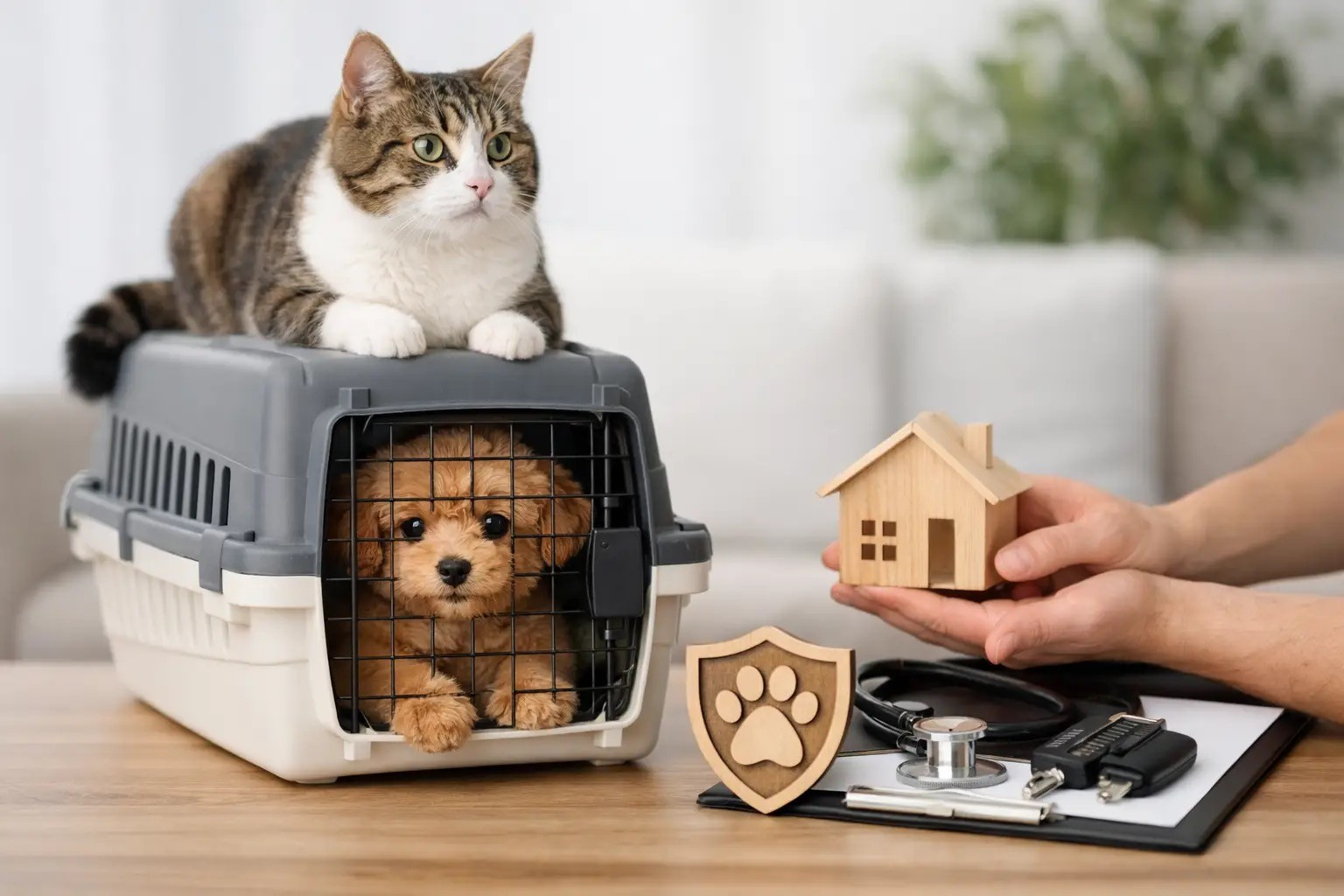
Are Animal Couriers Insured? A Pet Parent's Guide
A cross-country pet journey can involve far more than getting from Point A to Point B. When your puppy, senior cat, or exotic companion is traveling in someone else’s care, the question is rightly personal: are animal couriers insured? The answer is often yes, but the details of that coverage matter far more than a simple yes or no. This is a very important part of Pet Transportation and must be taken very seriously as to the Health and Safety of your pet!
A professional courier should be prepared to explain what insurance they carry, what it is designed to cover, and where its limits begin. For pet parents, that conversation is not about expecting the worst. It is about choosing a provider that treats your animal companion’s safety, comfort, and well-being with the seriousness they deserve.
Are Animal Couriers Insured? Usually, But Coverage Varies
Many established pet transportation companies carry business insurance, but there is no single universal policy that protects every situation in exactly the same way. One provider may have commercial auto coverage and general liability insurance, while another also maintains specialized care, custody, and control coverage for animals in its care. There are a few very well known company businesses located in The USA that specialize for Animal and Pet Health Insurance and the Internet can and will assist you in locating them for your confirmation and legitimacy.
That distinction is meaningful. General liability insurance commonly addresses certain third-party injuries or property damage connected to business operations. Commercial auto coverage addresses incidents involving the transport vehicle. Care, custody, and control coverage may be more directly relevant when an animal is injured, lost, or otherwise harmed while entrusted to the transporter.
A courier’s statement that they are “insured” should invite a few thoughtful follow-up questions, not end the discussion. Insurance can be subject to deductibles, exclusions, valuation limits, geographic restrictions, and policy conditions. The right provider will answer clearly rather than relying on vague reassurance.
It is also wise to separate a transporter’s business insurance from your own pet health insurance. Your veterinary policy may help with eligible medical treatment, depending on its terms, while a transport company’s policy may respond to a covered event caused by or connected to its operations. These are different forms of protection and should not be assumed to overlap.
What Responsible Courier Coverage May Include
The exact policies differ by company, but a well-prepared pet transport operation often considers several layers of protection. Commercial vehicle insurance is especially relevant for ground transport, since it can address accidents involving a climate-controlled transport vehicle. General liability coverage can protect against certain business-related claims.
For pet parents, the most relevant question is whether the business carries coverage that contemplates animals in its care, custody, and control. Ask the provider to explain this in plain language. You do not need to become an insurance expert, but you do deserve to understand whether the policy is intended to address an incident involving your pet during the journey.
Coverage may also be connected to specific operational practices. A transporter that uses secure travel crates or harness systems, documented wellness checks, carefully planned rest stops, and direct handler supervision is reducing risk before insurance is ever needed. Insurance is a vital backstop. It is not a substitute for attentive care.
At Puppies Breath Pet Concierge, insurance coverage is part of a broader protection-minded service model that also includes USDA-Registered Pet Transportation, climate-controlled travel, real-time Life360 GPS visibility, frequent breaks, and ongoing communication. For a beloved furry family member, peace of mind comes from both the safeguards in place and the people entrusted to provide them.
Insurance Does Not Mean Every Event Is Covered
Pet parents should be cautious of any company that implies insurance guarantees payment for every possible outcome. Policies almost always contain conditions and exclusions, particularly when a pet has a known medical concern, travels with incomplete health documentation, or experiences an issue not caused by the transporter’s negligence.
Pre-existing medical conditions are a common area to discuss. For example, if a dog has a history of seizures, respiratory distress, or travel anxiety, the provider should know before departure. That information allows for a safer journey plan, but it may also affect what an insurance policy covers if the condition worsens in transit.
Coverage limits matter, too. Under many legal and insurance frameworks, animals may be assigned a financial value that does not reflect the profound place they hold in a family. A policy may have a per-animal limit, a maximum amount per incident, or reimbursement rules based on documented expenses. While no policy can measure your bond with your pet, a transparent provider will not minimize this concern or make promises beyond their policy.
Insurance may also exclude events related to inaccurate information provided at booking. If a pet’s age, breed, vaccination status, behavior history, or medical needs are not properly and honestly disclosed, the transporter may not be able to plan appropriately. Honest intake information is one of the most practical ways a pet parent can help protect their companion.
Questions To Ask Before You Book Pet Transport
You do not need to interrogate a courier. A premium provider should welcome careful questions because transparency is part of excellent care. Before confirming travel, ask whether the company carries commercial auto, general liability, and care, custody, and control coverage. Then ask whether the coverage applies to the specific service you are booking.
This matters because shared ground transport, a flight nanny arrangement, and VIP Solo Pet Travel are operationally different. A ground journey involves a vehicle, driving schedule, rest stops, and potentially other pets. An in-cabin flight nanny service involves airline rules, airport logistics, airline pet travel fees and the pet’s status as an in-cabin traveler. Private Solo Pet Transportation provides more individualized routing and one-on-one attention, but it still requires clear planning around handoffs, health records, and emergency protocols.
Ask what happens if your pet needs veterinary attention while traveling. A capable provider should be able to explain how they contact you, how they locate care if needed, whether they have authorization procedures for emergency treatment, and how expenses are handled. Ask whether staff members are trained or veterinary technician-approved, particularly if your pet is young, elderly, anxious, or on a specialized diet.
You can also ask for confirmation of active insurance and applicable licensing or registration. A professional company should understand why that request matters. In interstate animal transport, USDA Registration is an important operational credential, but it is not the same thing as insurance. Both are worth verifying.
The Best Protection Begins Before Departure
The insurance conversation should be part of a larger screening process. A low price can be tempting when travel plans are stressful, yet an unusually inexpensive quote may leave out the care standards that make long-distance travel safer and more comfortable. Consider how the provider plans routes, monitors temperature, handles overnight travel, schedules potty and hydration breaks, and communicates with you during the trip.
For a puppy traveling from a breeder to a new home, frequent updates and thoughtful handling can ease an already emotional transition. For a cat relocating with a family, a quiet environment and consistent care may matter more than speed alone. For an animal with dietary or medical needs, tailored instructions and dependable communication are essential. The best transport plan is not one-size-fits-all because pets are not one-size-fits-all.
A detailed consultation also creates a better record of your pet’s normal routine and needs. Share feeding schedules, medications, allergies, comfort items, behavior around strangers, crate experience, and veterinary contact details. Confirm pickup and delivery contacts in writing. These simple steps help a courier deliver the personal, well-organized care your companion deserves.
Documentation Worth Keeping
Keep copies of your booking agreement, the courier’s insurance information or written confirmation of coverage, veterinary records, vaccination documentation, and any special care instructions. Take current photos of your pet before departure, particularly if they have unique markings or medical devices. These records are practical, but they also make it easier for everyone to communicate accurately if plans change.
Read the Pet Transportation Agreement thoroughly before signing. Look for the company’s cancellation terms, health requirements, emergency procedures, limits of liability, and client responsibilities. If any language feels unclear, ask for an explanation before travel day. A provider committed to white-glove service will want you to feel informed, not rushed.
A Final Word For Pet Parents
Insurance is a meaningful sign that a courier takes its professional responsibilities seriously, but it should never be the only reason you trust someone with your pet. Choose the team that can explain its coverage honestly, show you how it prevents avoidable risks, and treat every mile as time spent caring for a member of your family.
Ready to travel with licensed, insured pet care?
At Puppies Breath Pet Concierge, we combine USDA-registered transport, comprehensive coverage, climate-controlled vehicles, and real-time Life360 GPS tracking for complete peace of mind. Get in touch for a personalized, worry-free travel plan.
Get a Free QuoteMore Articles You Might Like
How To Ease Pet Travel Anxiety Before A Big Trip
September 1, 2026
A carrier that suddenly appears, a packed suitcase, a changed routine - pets notice these signals long before the journey begins. Discover proven ways to ease pet travel anxiety, prepare before travel day, and keep your companion calm and secure.
Read More »
Pet Courier Versus Airline Cargo for Your Pet
August 30, 2026
A travel decision can feel very different when the passenger cannot tell you whether they are cold, thirsty, frightened, or ready for a break. When weighing pet courier versus airline cargo, the right choice is about matching your animal companion's needs with a plan that treats their wellbeing as the priority.
Read More »