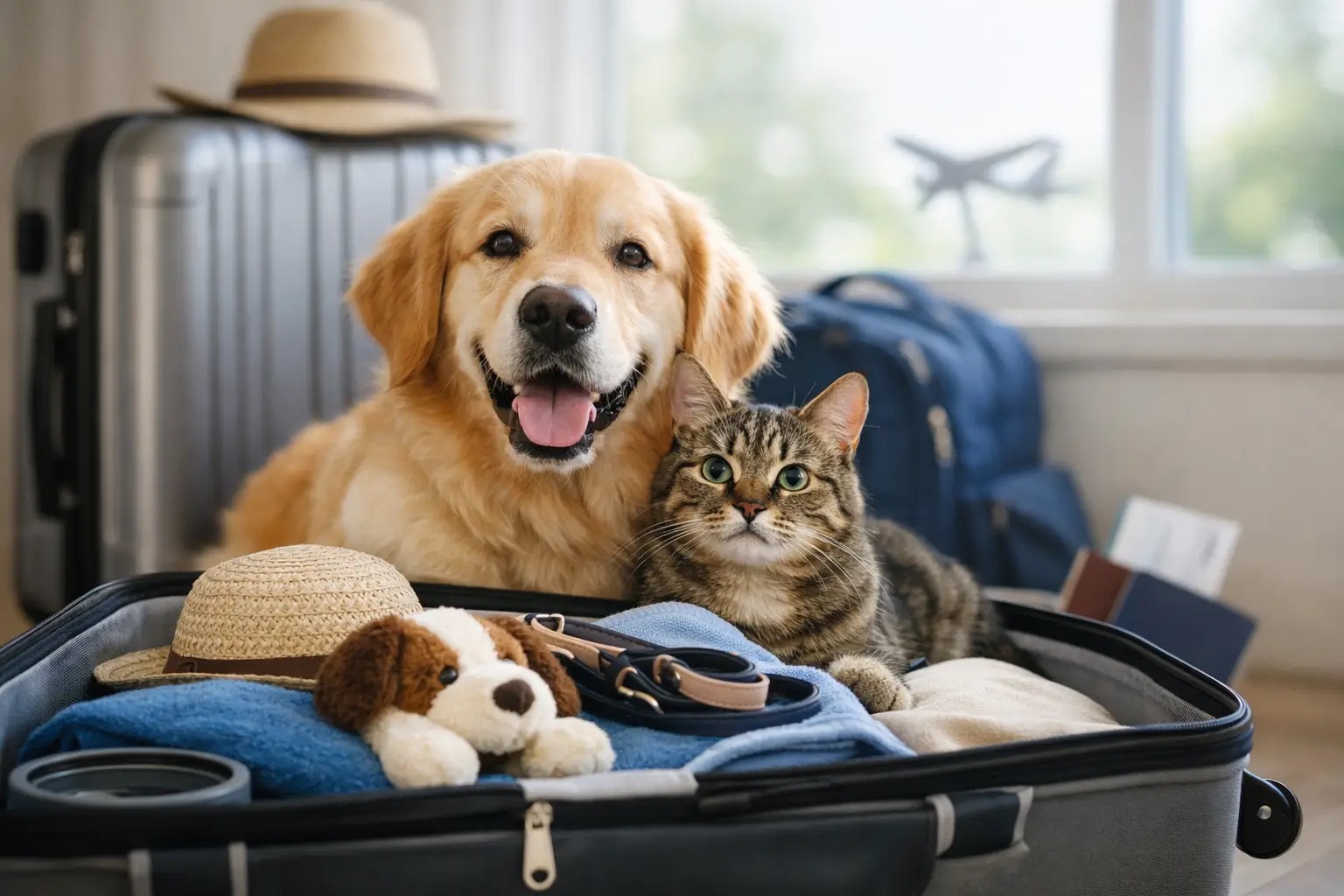
How To Ease Pet Travel Anxiety Before A Big Trip
A carrier that suddenly appears in the hallway, a packed suitcase by the door, a changed morning routine - pets notice these signals long before the journey begins. Pet travel anxiety can show up as pacing, whining, panting, hiding, refusing food, excessive grooming, or an unusual need to stay close to their person. For furry family members preparing for a move, breeder pickup, reunion, or extended work assignment, thoughtful planning can make the experience far more comfortable. Some pets can be exceedingly smart, having an extra sense that something is going on and it can make them act in a way that they normally do not act.
The goal is not to make every animal love travel. Some pets will always prefer the quiet predictability of home. The goal is to reduce unnecessary stress, protect their routine where possible, and ensure they are in attentive, capable hands from departure through arrival.
Why Pet Travel Anxiety Happens
Travel asks a great deal of an animal companion. There are unfamiliar smells, movement, noises, new people, altered feeding schedules, and sometimes long stretches away from the person they trust most. Even a confident dog or cat may find those changes unsettling.
Young puppies and kittens may be especially sensitive because they are still learning what is safe. Senior pets can struggle with stiffness, sensory changes, or a lower tolerance for disruption. Cats often find travel particularly difficult because they are strongly attached to familiar territory. Pets with medical needs, prior trauma, or a history of motion sickness deserve an even more personalized plan.
It also helps to distinguish anxiety from physical discomfort. Panting, drooling, restlessness, vomiting, trembling, or reluctance to enter a vehicle can be signs of stress, motion sickness, pain, or a combination of all three. A veterinarian can help identify the likely cause and advise on safe next steps before travel day.
Start Preparing Before Travel Day
The calmest journeys usually begin days or weeks before the vehicle starts moving. Gradual preparation gives a pet time to form better associations with the carrier, crate, harness, or car rather than encountering each for the first time under pressure. Not stressing your pet and making their route and journey as pleasant as possible should be the goal from beginning to end of their trip.
Leave the travel carrier open in a familiar room with a soft blanket inside. Offer treats, meals, or a favorite toy nearby, then gradually encourage your pet to rest inside voluntarily. For dogs traveling by vehicle, short, low-pressure rides can help build tolerance. Start with a few quiet minutes in a parked car, then a brief drive around the neighborhood, ending with something positive such as a walk or a meal. Once your pet feels safe and more comfortable after doing so, they will no doubt take those past memories with them on their upcoming journey.
Avoid making a carrier appear only when it is time for a stressful event. The more it becomes part of normal life, the less likely it is to signal separation or disruption.
Keep Familiar Scent Close
Scent is one of the most grounding comforts a pet can have. A clean but unwashed T-shirt, small blanket, or familiar bedding can provide reassurance in a new setting. Choose soft items that are safe for the specific animal and appropriate for the size of their travel space.
Do not overwhelm the carrier or crate with loose belongings. Comfort should never interfere with secure positioning, airflow, or access to the pet. A well-planned travel setup balances familiar items with safety and cleanliness.
Create A Travel Plan Around Your Pet
There is no single best transport option for every family. A healthy, social adult dog may do well in shared ground transportation with structured rest breaks. A newly purchased puppy, an anxious cat, a pet with special dietary needs, or an animal that needs minimal transitions may be better served by an accompanied In-Cabin Flight or VIP Solo Pet Transportation.
The right choice depends on the animal’s age, temperament, health history, trip length, and ability to cope with change. It also depends on the level of support the family needs. A pet parent coordinating a cross-country relocation may need more than transportation. They may need scheduling guidance, documentation support, consistent updates, and someone who understands how to respond when a pet needs extra reassurance.
At Puppies Breath Pet Concierge, journey planning begins with those details. A concierge approach means considering the individual animal, not simply fitting a pet into a standard route.
Ask The Right Questions Before Booking
Before committing to a travel arrangement, pet parents should understand how the provider handles comfort and safety. Ask whether vehicles are climate-controlled, how often pets receive potty and comfort breaks, who monitors the animal during travel, and what happens if a delay or concern arises.
Visibility matters, too. Real-time GPS Tracking and direct communication can relieve a great deal of owner anxiety, especially during a long-distance move or breeder-to-home delivery. Insurance Coverage, USDA Registration where required, and staff approved to support animal care are practical safeguards that should be clear before departure.
Premium Service is not simply a nicer ride. It is a structured system that anticipates a pet’s needs and keeps their family informed.
Support A Calmer Day of Travel
On departure day, pets often take cues from their people. A rushed, emotional goodbye can unintentionally increase their uncertainty. Keep your voice gentle, your movements steady, and the handoff as calm as possible.
Feed according to your veterinarian’s guidance and the travel timeline. Many pets do better with a lighter meal several hours before a road or air journey, but very young animals and pets with medical conditions may need a more specific feeding schedule. Hydration should be available and monitored, with breaks planned to suit the animal and journey type.
Exercise can help dogs settle, but avoid an exhausting workout immediately before a long trip. A relaxed walk with time to sniff and potty is often more useful than intense activity. Cats generally benefit from a quiet, contained pre-departure environment rather than extra stimulation.
If your veterinarian prescribes medication for anxiety or motion sickness, test it before the actual trip when possible. Never give a sedative, calming supplement, or over-the-counter product without veterinary guidance. Some medications can affect breathing, balance, temperature regulation, or a pet’s ability to respond normally while traveling.
Care During The Journey Makes The Difference
A pet’s anxiety rarely disappears because the trip has started. It is managed through consistent, responsive care along the way. That includes maintaining a comfortable temperature, offering appropriate breaks, monitoring behavior, providing fresh water, and adjusting the environment when an animal becomes unsettled.
For ground travel, frequent stops allow dogs to stretch, relieve themselves, and reset. Cats and exotic pets may require a quieter approach, with secure containment and carefully managed access to food and water. The best cadence is never just about speed. It is about safely meeting the needs of the animal in front of you.
For air travel, In-Cabin accompaniment can be a meaningful alternative to cargo transport for pets that meet airline requirements. An attentive flight nanny can provide continuity through check-in, security, boarding, the flight itself, and the arrival handoff. It is not the ideal choice for every pet or itinerary, but it can reduce transitions and offer close supervision for appropriate travelers.
Help Your Pet Settle After Arrival
Arrival is not the end of the adjustment period. A pet may be tired, clingy, unusually quiet, or temporarily less interested in food after a long journey. Give them time to decompress in a calm, secure space before introducing a new home, visitors, other animals, or an unfamiliar neighborhood.
Set up food, water, bedding, and a bathroom area as soon as possible. Keep the first day simple. For dogs, take short, calm walks and allow them to explore gradually. For cats, begin with one quiet room and expand access once they are eating, using the litter box, and showing relaxed behavior.
If signs of distress persist, worsen, or include vomiting, diarrhea, refusal to drink, refusal to eat, breathing changes, or extreme lethargy, contact a veterinarian promptly. A caring travel team can reduce stress, but every pet deserves follow-up support when their behavior suggests they are not recovering comfortably.
A well-supported journey gives your animal companion more than transportation. It gives them steady care, familiar comforts, and the reassurance that someone is paying close attention when their world feels temporarily unfamiliar.
Ready to plan a low-stress, caring journey for your pet?
At Puppies Breath Pet Concierge, we tailor travel plans around your animal companion's individual comfort, with USDA-registered transport, climate-controlled vehicles, real-time Life360 GPS visibility, and attentive handling from door to door.
Get a Free QuoteMore Articles You Might Like
Are Animal Couriers Insured? A Pet Parent's Guide
August 31, 2026
A cross-country pet journey can involve far more than getting from Point A to Point B. When your companion travels in someone else's care, the question is personal: are animal couriers insured? Learn how coverage works and the critical safeguards every pet parent should verify.
Read More »
Pet Courier Versus Airline Cargo for Your Pet
August 30, 2026
A travel decision can feel very different when the passenger cannot tell you whether they are cold, thirsty, frightened, or ready for a break. When weighing pet courier versus airline cargo, the right choice is about matching your animal companion's needs with a plan that treats their wellbeing as the priority.
Read More »